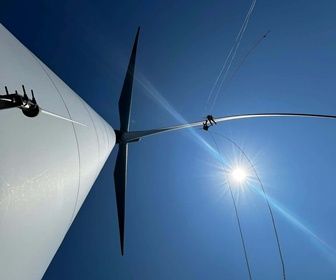




New data from the US Energy Information Administration (EIA), reviewed by the Sun Day Campaign, indicates continued growth in renewable energy capacity through February 2027, with wind, solar and battery storage leading additions. Wind power is projected to increase by around 14.5 GW over the period, including 4.2 GW of offshore wind capacity.
Solar remains the largest contributor to new capacity, while smaller gains are expected from hydro, biomass and geothermal sources. Overall renewable additions are expected to total more than 57 GW, significantly higher than the previous year.
EIA forecasts no new nuclear capacity and a net decline of nearly 5 GW in fossil fuel generation capacity over the same period.
Utility-scale battery storage is also expected to rise by more than 50%, increasing from about 44.6 GW to 67.5 GW, supporting the integration of variable renewable generation such as wind and solar.
Renewables’ share of total US utility-scale generating capacity is projected to increase from 33.4% to 36.6%, with wind rising slightly to 13.6%. When small-scale solar is included, renewables could approach 40% of total capacity.
In early 2026, electricity generation from renewables increased by 10.8% year-on-year, driven mainly by solar and hydropower, with wind also showing modest growth.