



According to the U.S. Energy Information Administration (EIA), electricity demand in the USA is forecast to increase, led by growth in the commercial sector. Total demand is expected to rise by 1.2% in 2026 to 4,108 billion kilowatt-hours (BkWh), followed by a 3.3% increase in 2027 to 4,244 BkWh.
During the summer period, electricity demand from both the residential and commercial sectors is projected to grow by 3% compared to the previous summer. Growth in the commercial sector is expected to reach 6% in the summer of 2027, exceeding the residential sector’s projected growth of 1%.
Renewable energy sources are also expected to increase their share of electricity generation. In 2024, renewables, including biomass and geothermal, accounted for 22.49% of total generation. This rose to 24.05% in 2025 and is forecast to reach 25.85% in 2026 and 27.27% in 2027.
In 2026, wind is expected to provide around 11.31% of electricity generation, followed by solar at 7.93% and hydropower at 6.01%. The figures refer to utility-scale generation and exclude distributed solar capacity, which could add around 2 percentage points to the total renewable share.
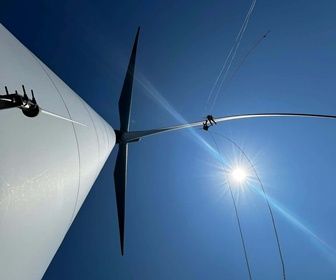
The EIA expects wind to continue generating more electricity than solar on an annual basis. Wind generation increased by 2.65% in 2025 compared with 2024 and is forecast to grow by a further 5.39% in 2026 and 6.95% in 2027.
The data is based on the EIA’s latest Short-Term Energy Outlook, as compiled by the Sun Day Campaign.