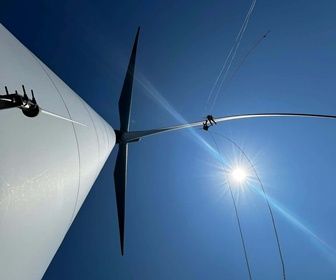





A review by the Sun Day Campaign of newly released data from the U.S. Energy Information Administration shows that wind power remained the leading renewable source of electricity in the USA in 2025. Wind turbines supplied 10.3 per cent of total USA electricity generation during the year, up 2.8 per cent compared with 2024. In December alone, wind output was 19 per cent higher than a year earlier.
Combined generation from wind and solar increased by 12.9 per cent in 2025 and accounted for 18.9 per cent of total electricity production, exceeding the shares provided by coal and nuclear power. Together, wind and solar generated 15.7 per cent more electricity than coal and 8.7 per cent more than nuclear plants.
Solar recorded the fastest growth rate among major sources. Utility-scale solar generation rose by 34.5 per cent year on year, while small-scale systems increased by 11 per cent. In total, solar accounted for just under 9 per cent of USA electricity generation in 2025 and more than one third of renewable output.
Overall, renewable sources including wind, solar, hydropower, biomass and geothermal supplied 25.7 per cent of total generation in 2025, up from 24.1 per cent the previous year. Renewables also represented 36.3 per cent of installed generating capacity when small-scale solar is included.
In capacity terms, wind added 6,173.6 MW in 2025. A further 10,369.0 MW of onshore wind and 1,515.0 MW of offshore wind are planned for 2026. Solar and battery storage also saw substantial additions, with projections indicating that solar, wind and batteries together will account for virtually all net new generating capacity in 2026.
By contrast, fossil fuel and nuclear capacity showed limited or negative growth. If current forecasts are realised, renewables, including small-scale solar but excluding storage, could approach 40 per cent of total installed capacity by the end of 2026.